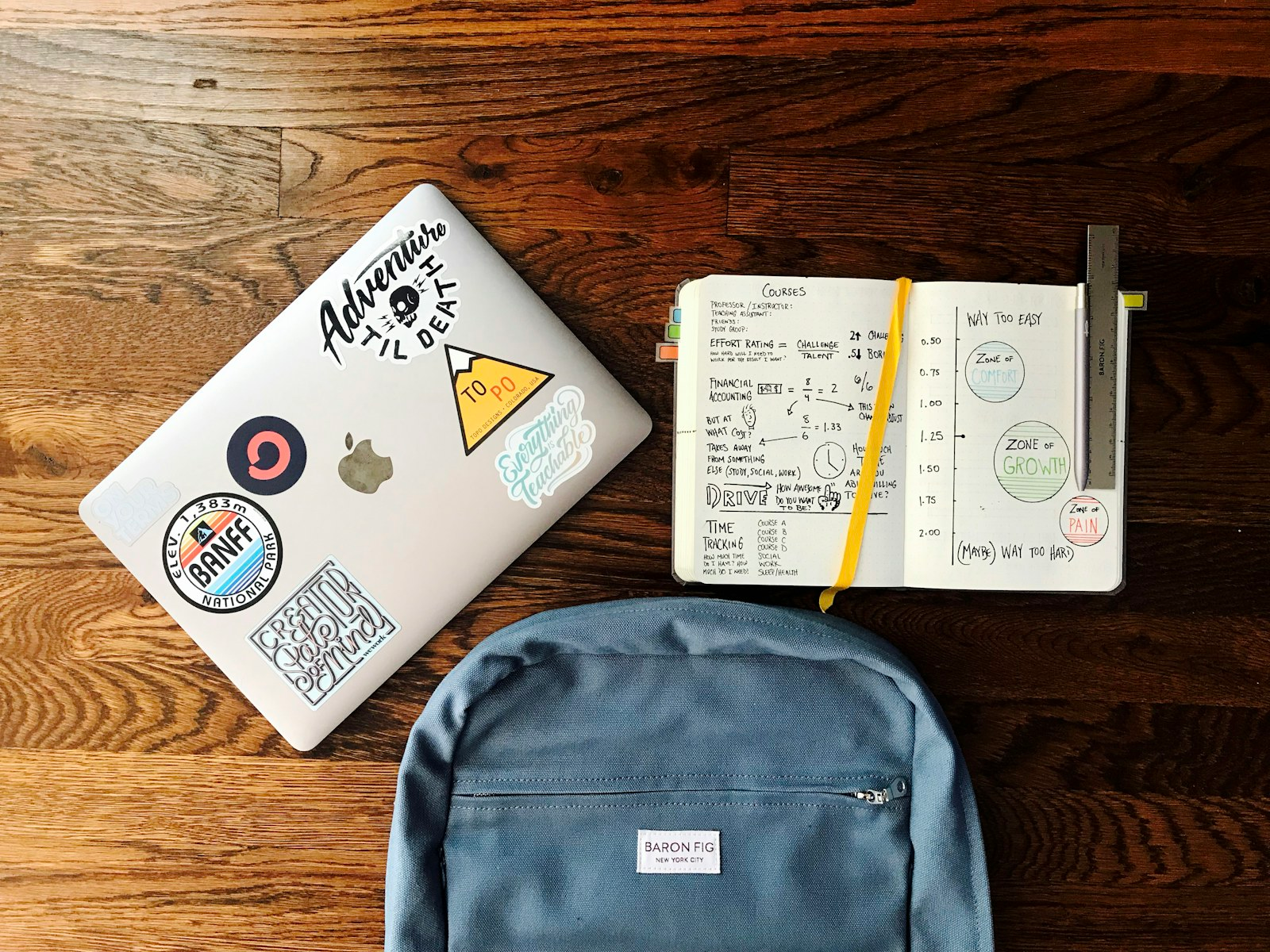
When a student is struggling in school, it’s natural to look for the big fix: a tutor, a new study method, more time on homework. But in my work with students, the most powerful changes often come from something much less exciting. The boring basics.
Knowing what’s due, when it’s due, and where everything is might not sound like a strategy. But without it, even bright, hardworking students end up missing assignments, cramming the night before tests, and feeling like they’re always behind.
Why organization comes first
Organization is part of executive functioning, the set of skills we use to plan, prioritize, start tasks and manage time. These skills are still developing well into the teen years, and some students, especially those with ADHD or other learning differences, need extra support building them.
When organization is shaky, everything else gets harder. A student can understand the material and still lose points for work that never gets turned in. Over time, that gap between effort and results starts to chip away at their confidence.
Start with a planner
A planner is the single most useful tool I give students. Paper or digital both work. What matters is that there is one place where everything lives.
- Write down every assignment, test and project the day it’s given, even if it’s also posted online.
- Break big projects into smaller steps, each with its own due date.
- Check the planner at the same time every day, like right after school.
- Cross things off. That small moment of “done” is more motivating than it sounds.
Online school portals are helpful, but they aren’t a planner. They show what teachers posted, not what your student needs to do today. Writing it down is part of what makes it stick.
The other boring basics that make a big difference
- One folder or binder system so papers have a home instead of living at the bottom of a backpack.
- A weekly reset. Ten minutes on Sunday to clean out the backpack, update the planner and look at the week ahead.
- A consistent homework spot with supplies ready, so getting started takes less effort.
- A regular start time for homework that stays the same most days.
- A turn in habit. Finished work only counts if it reaches the teacher, so put it straight into the folder or submit it online as soon as it’s done.
How parents can help without taking over
It’s tempting to manage the planner for your child, but the goal is for them to own the system. Try doing the weekly reset together at first, then slowly step back. Ask questions like “What’s coming up this week?” instead of checking every assignment yourself.
Expect it to take a few weeks for new habits to feel normal. Consistency matters more than perfection.
When it’s more than a habit
If your child is trying these strategies and still can’t keep up, something else may be getting in the way. Educational therapy looks at how a student learns and builds the specific skills they need, so staying organized finally starts to feel doable.